
Why Toronto Condo Prices Are Back to 2019 Levels—and Why That Matters
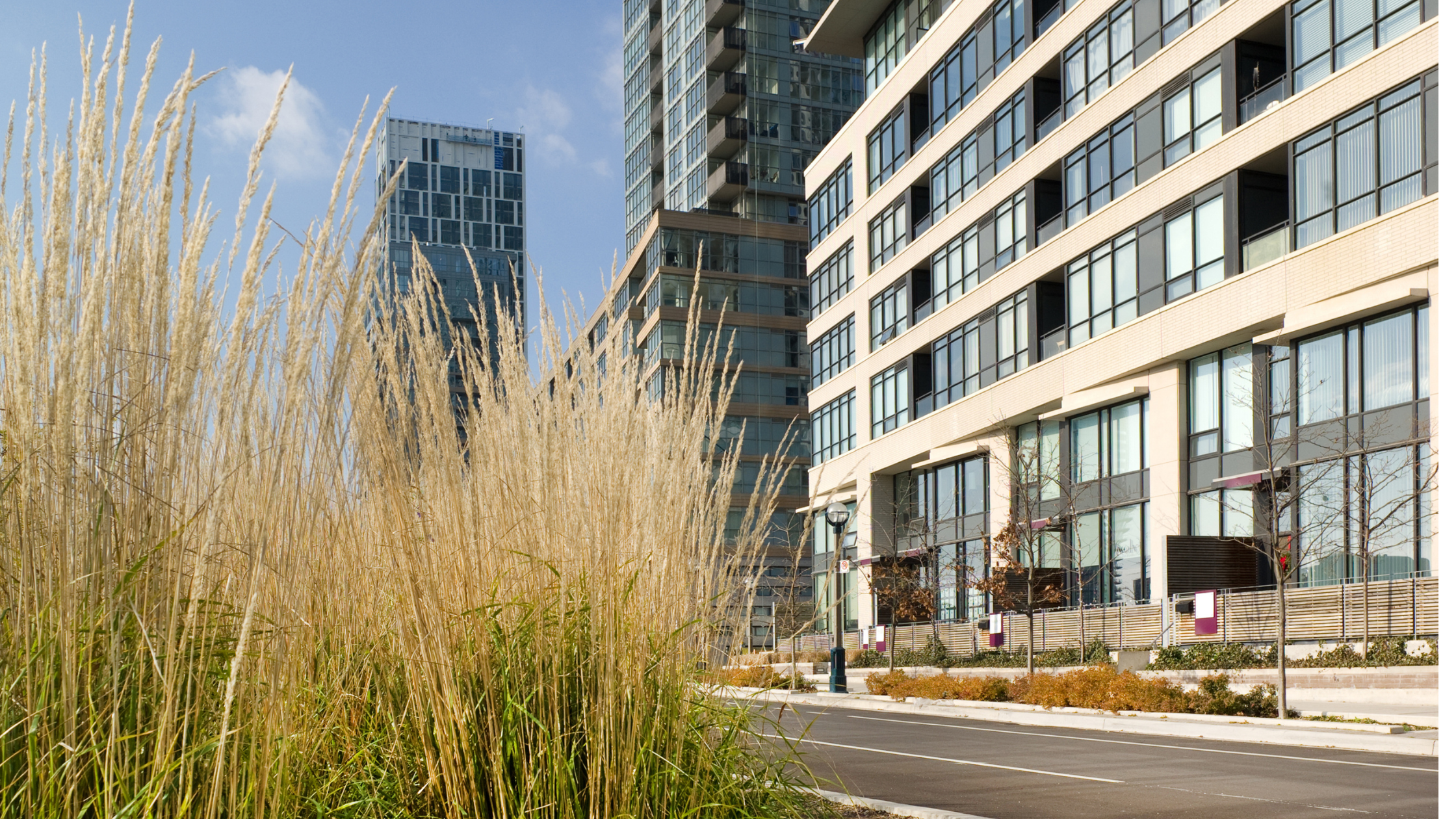
There’s a narrative dominating the market right now: Toronto condos are down.
That’s true—but it’s incomplete.
What’s actually happening is far more important. The market hasn’t collapsed. It has reset. And in many segments, that reset has brought condo prices back to levels we haven’t seen since 2019.
For buyers and investors who understand cycles, this is where the opportunity begins.
The Reset: What the Numbers Are Telling Us
Let’s start with the data.
Toronto condo prices peaked in early 2022, with averages approaching $800,000. Fast forward to early 2026, and those same averages are sitting closer to $620,000–$630,000. That’s a correction of roughly 20%–25%, depending on the segment.
In some cases—particularly smaller units or investor-heavy buildings—pricing has effectively rewound to pre-pandemic levels.
At the same time, year-over-year data is still showing softness. Condo apartment prices are down close to 9% compared to last year, even as sales activity begins to rebound. That’s an important signal: buyers are returning—but only where pricing makes sense.
This isn’t a crash. It’s a rebalancing.
What Caused the Shift
Every market move has a story behind it, and this one is no different.
The first driver was interest rates. As borrowing costs increased, affordability dropped. That alone was enough to pause a large portion of demand.
The second factor was investor behavior. When rates rose and cash flow tightened, short-term investors stepped back. Some sold. Others waited. That removed a layer of demand that had been driving the market during the peak years.
The third piece was inventory. Listings increased while demand slowed, creating more choice for buyers and downward pressure on prices.
But here’s where most people miss the bigger picture.
At the exact same time demand slowed, new condo development also slowed dramatically. Pre-construction sales have dropped to some of the lowest levels seen in decades. Developers are delaying or cancelling projects altogether.
That means today’s oversupply is temporary—but tomorrow’s shortage is already being created.
The Psychology of This Market
Real estate is driven by numbers, but it moves on psychology.
Right now, the dominant emotion in the market is hesitation. Buyers are cautious. Sellers are adjusting. Headlines are focused on decline.
This is what I call the uncertainty phase.
And it’s one of the most misunderstood phases in the cycle.
Because while sentiment feels negative, the fundamentals are quietly improving. Prices have corrected. Inventory is available. Negotiation power has shifted.
The key insight is this: confidence always comes after the opportunity.
By the time the market feels safe again, prices have already started to climb, competition increases, and leverage disappears.
Why This Matters for Buyers
For end-users and first-time buyers, this is one of the most favorable environments we’ve seen in years.
You’re no longer competing in bidding wars. You’re not forced to make rushed decisions. You can take your time, analyze options, and negotiate with confidence.
Inventory levels have increased, and properties are sitting longer. That gives buyers the ability to structure better deals—whether that’s on price, conditions, or closing flexibility.
More importantly, affordability has improved in a real way. Lower prices combined with stabilizing rates mean the gap between renting and owning is narrowing again.
This is how smart buyers enter the market—not when it’s easy, but when it’s logical.
Why This Matters for Investors
This is where the long-term strategy comes into play.
Real estate wealth isn’t built by buying at the top of the market. It’s built during periods like this—when uncertainty creates mispricing.
Think about the cycle.
The last few years were defined by rapid growth and high competition. That phase is over. What we’re seeing now is stabilization.
And the next phase—what comes after this—is recovery.
At the same time, we’re heading toward a supply constraint. With fewer projects launching today, there will be fewer completions in the coming years. Demand, however, doesn’t disappear—it waits.
When those two forces collide—limited supply and returning demand—prices move.
That’s the setup being created right now.
Understanding the Bigger Cycle
Every real estate market follows a pattern.
We had a boom from 2020 to early 2022. That was followed by a correction through 2023 to 2025. Today, in 2026, we are in the early stages of stabilization.
Recovery doesn’t happen overnight. It builds gradually. But it always starts before most people notice it.
This is the phase where fundamentals improve quietly. Prices stop falling. Buyers begin to re-enter. Confidence starts to rebuild.
And then, over time, momentum returns.
The Bottom Line
Toronto condo prices returning to 2019 levels is not a warning sign. It’s a recalibration.
It has removed speculation from the market. It has created real entry points for buyers. And it is setting the stage for the next growth cycle.
The biggest mistake you can make in a market like this is waiting for certainty.
Because certainty comes at a cost.
Final Perspective
If you’re looking at the market today and thinking about waiting until things feel better, take a step back.
Ask yourself when real estate has ever been most profitable.
It’s not when headlines are positive. It’s not when everyone is confident.
It’s when the market is quiet. When prices have adjusted. When the opportunity isn’t obvious yet.
That’s where we are right now.
And for those who understand how to move in this phase, this is where long-term wealth is built.
If you’re looking to break down specific opportunities or understand how to position yourself in this market, the next step is strategy.