

Zoning is the process of dividing land into various use categories, such as residential, commercial, and industrial. Most countries have zoning laws, and Canada is no exception. Zoning is an important factor that real estate investors should always consider in order to maximize their returns. Zoning laws dictate what type of buildings can be built, used and how they’re used on a particular property. It also determines what kind of business activities, public services, roadways, utilities, and other elements are allowed in a specific area. Zoning is a crucial component of urban planning as it helps to guide the development of land and ensure the appropriate use of land for various purposes. If you're interested in investing in real estate, understanding zoning laws is essential. In this blog post, we'll explore everything you need to know about zoning in Canada.
What is zoning, and how does it work?
As we mentioned earlier, zoning is the process of dividing land into various categories based on its specific use. These categories usually include residential, commercial, industrial, and agricultural zones. Zoning laws dictate what activities are allowed in each zone and prescribe what types of buildings and structures are permitted. Zoning also outlines the allowable density, building height, and setbacks in the zones. Different levels of government regulate zoning in Canada, including municipal, provincial, and federal. Each level of government has different responsibilities and roles in the zoning process.
In Canada, zoning is governed on both the local and federal level, with provinces having jurisdiction over most of the regulations. Provincial governments often issue permits for different land uses based on the purpose of each region. For example, certain areas may be designated as residential or commercial zones, while others may be reserved for industry or recreation.
The benefits of zoning
Zoning regulations help to create a more organized and cohesive community by establishing clear guidelines for land use and development. Zoning regulations improve the quality of life by ensuring that incompatible land use activities do not occur in close proximity. For example, zoning can regulate the distances between industrial plants and residential areas, promoting public health and safety. Zoning can also protect the environment by limiting the development density and promoting green spaces accordingly, and also by ensuring the protection of important habitats.

Can zoning be changed?
Yes, zoning can be changed, but it is a rigorous process requiring public feedback and approval by government authorities. The zoning change process typically involves a series of public meetings, consultations with neighbourhood groups and stakeholders, and a public hearing. The community also has an opportunity to provide feedback on the proposed changes before the approval for the change is granted. Zoning by-laws can also be amended to reflect changes in community needs and can be a lengthy process too.
Zoning regulations that apply to residential properties
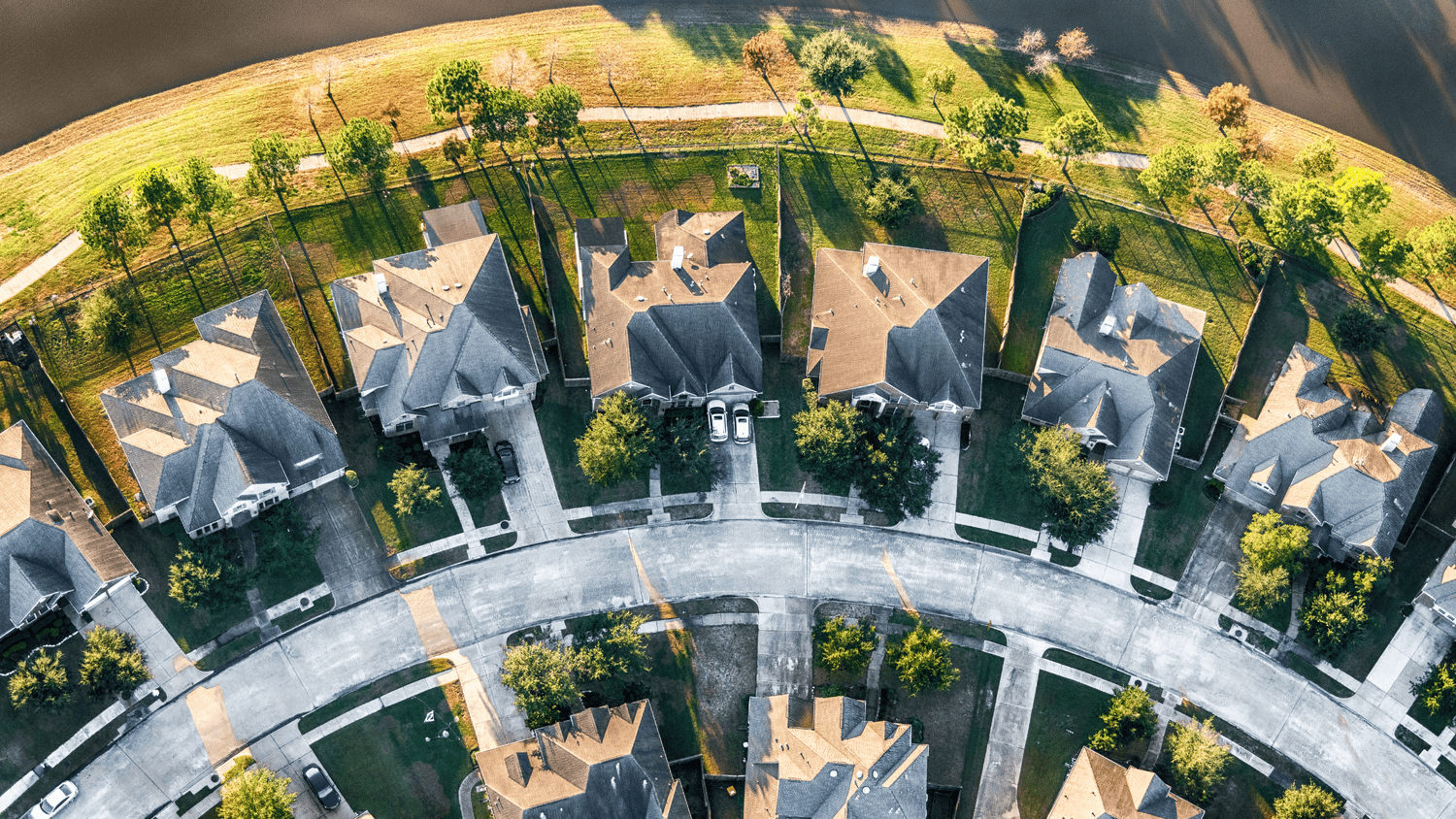
Residential zoning laws control the use, height, and density of buildings within residential areas. The zoning regulations stipulate the district's minimum and maximum lot sizes, setbacks, building height limits, and other important details. For example, zoning regulations also dictate the maximum number of units that can be constructed on a property. Homeowners and investors should be aware of the zoning regulations because they will influence the value of the property when leasing or selling.
Zoning regulations that apply to commercial properties
Commercial zoning laws outline the permitted retail establishments, offices, and businesses that can operate within a commercial zone. The regulations impose set-back requirements, height limits, the number of parking spots, lot size, building coverage, and design standards for commercial buildings. Commercial zoning intelligently locates business and retail establishments to ensure a compatible and harmonious mix between the different land-uses.
Why zoning matters for real estate investors
For real estate investors, understanding zoning regulations is absolutely essential. This will dictate what types of properties they are able to invest in and how those properties can be used once purchased. For example, if an investor purchases a property zoned for commercial use, they must use it for that purpose or risk being fined by local government authorities
Zoning laws are a critical tool in planning and land use decisions that help regulate land uses, densities, and the design of buildings. We hope this guide has provided a clear understanding of the zoning process in Canada. Remember, a clear understanding of the zoning process's nuances can help you avoid violations, as well as support your decision-making processes and growth objectives.
Have questions?
Want to know more about WHAT IS ZONING AND WHY IT MATTERS TO REAL ESTATE INVESTORS? Send me a message and I'll get back to you within 24 hours.